

We grow the plants, design the floral, and build the props ourselves. That means we can answer the practical questions — about sourcing, certification, construction, and codes — that most of this industry has to pass up a chain it does not control. This is where we write those answers down, particularly for people new to the work.
We've planted the seeds. Now we're growing 900+ pongamia seedlings toward a first five-acre site targeted for late 2027 — for soil, carbon we control ourselves, and renewable oil bound for aviation fuel and consumer goods.
Read it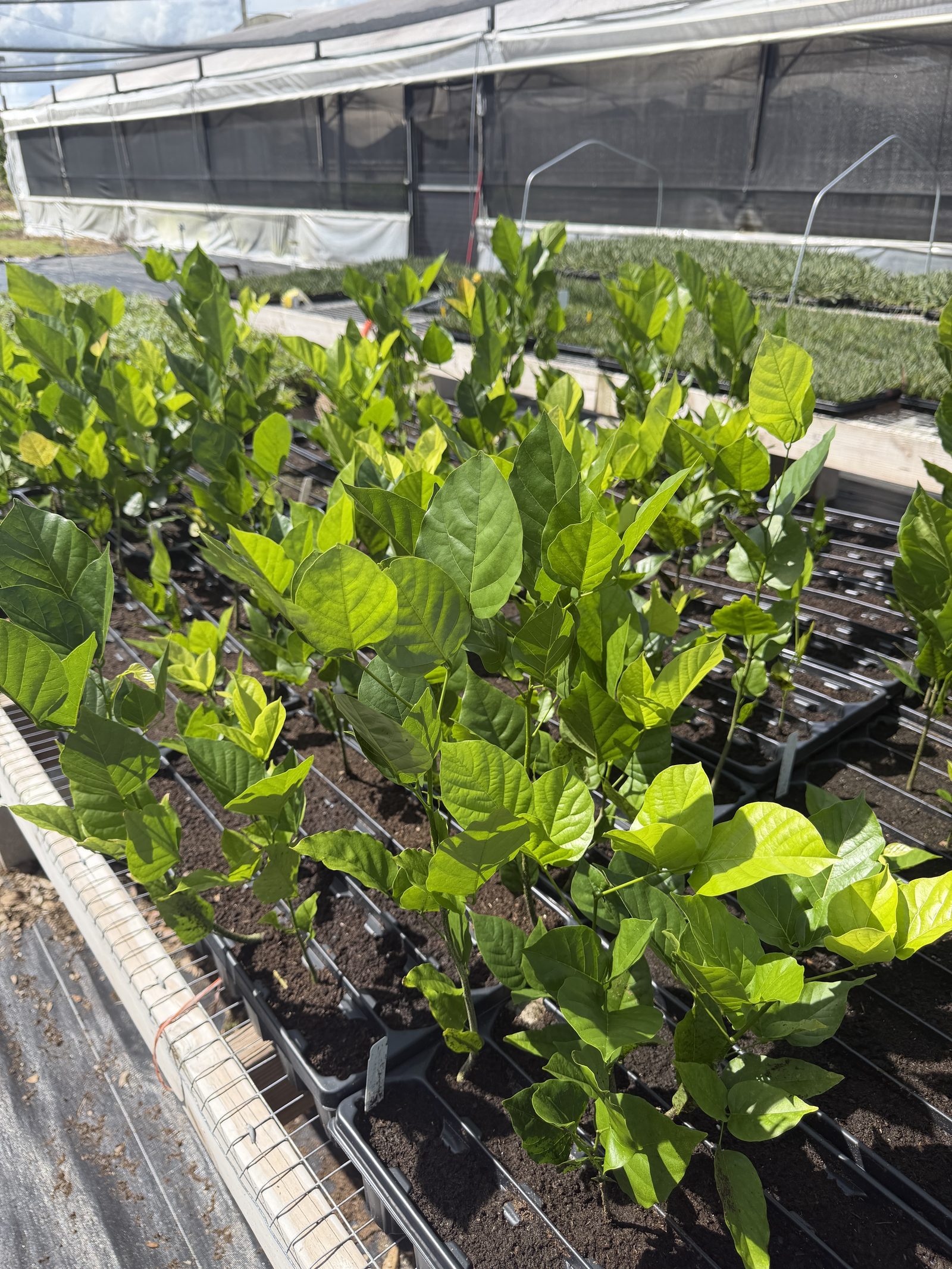
900+ seedlings, a first five-acre site targeted for late 2027, and the case for soil, carbon, and renewable oil grown on old citrus land.
Why Ecuador grows the world's premium roses—equatorial sunlight, volcanic soil, and certified sustainable practices that empower women in rural farming communities.
Four in five stems are imported. Here is the supply chain that decides your price, your lead time, and how much of a “locally grown” claim you can actually defend.
Panels, brackets, counter heights, fire paperwork, and the freight math that decides whether a design is worth building at all.
The roles that really exist, what a Central Florida season looks like, and the unglamorous thing that gets people hired.
Five questions that separate a serious operation from a marketing claim — plus a plain-language guide to the terms that get used wrong.
Nothing published under that topic yet — it is on the list.
Certification scope, waste, sourcing claims, and how to document any of it.
Where product comes from, what is in season, and how the cold chain behaves.
How props and structures are built, shipped, installed, and reused.
Commentary, careers, and how this business actually works.
No pitch deck. We will walk your planners through sourcing, certification scope, and what is defensible to promise a client — including whichever terms your clients are currently using.